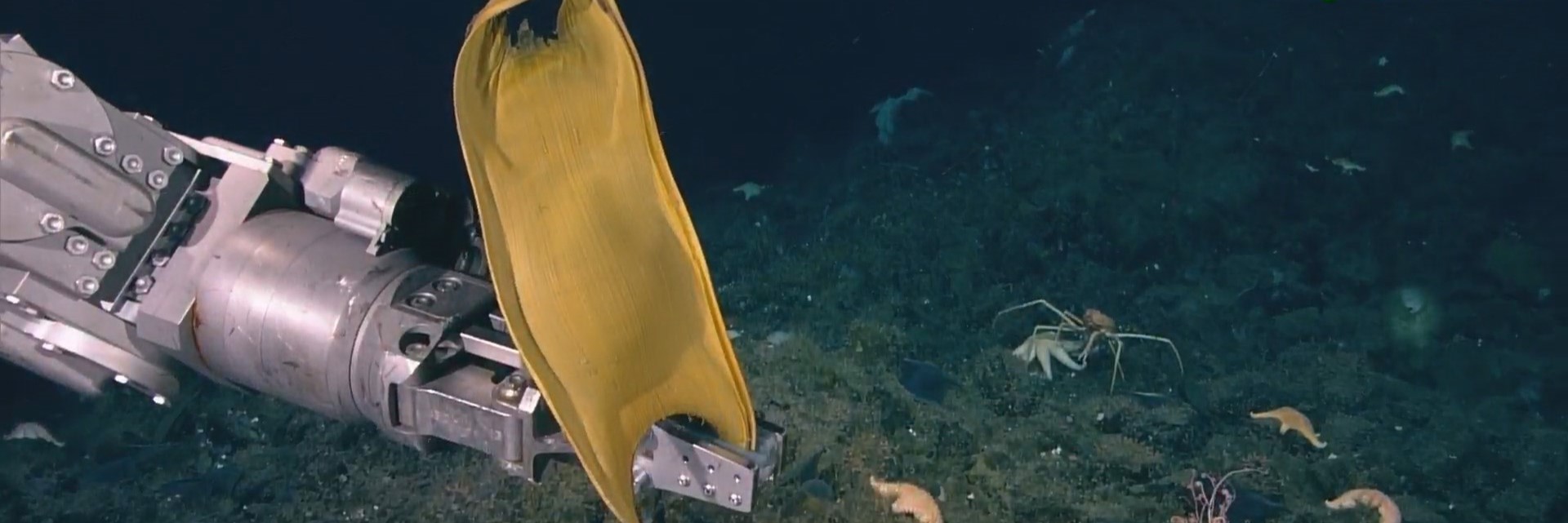
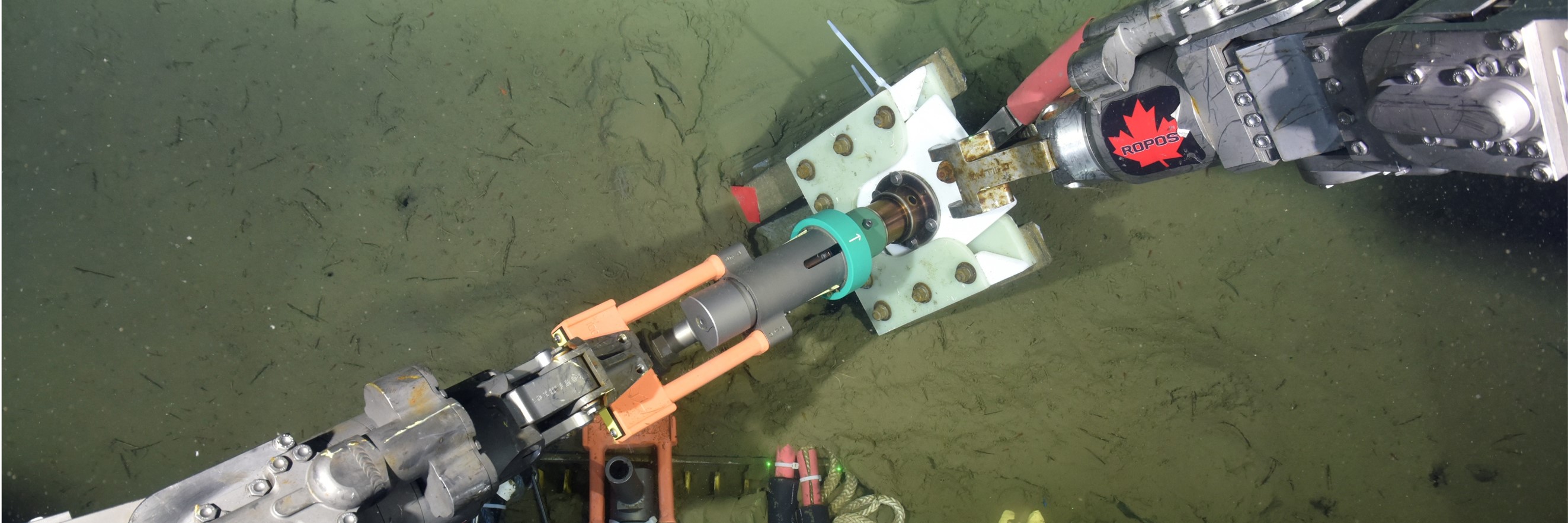
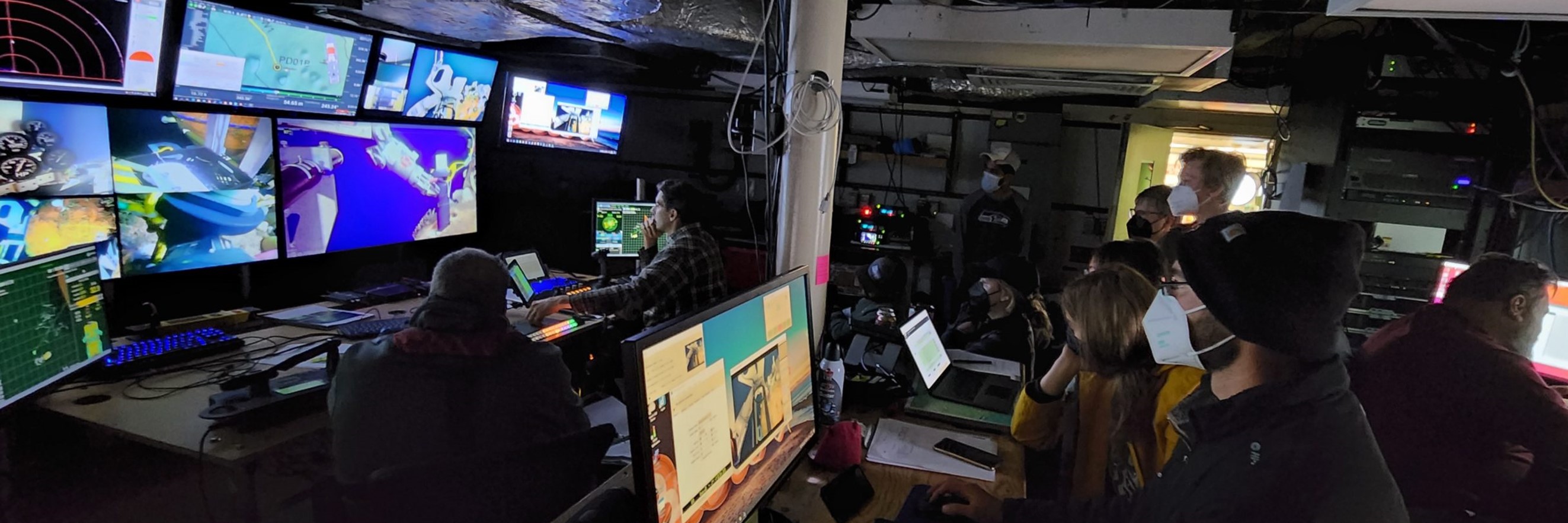
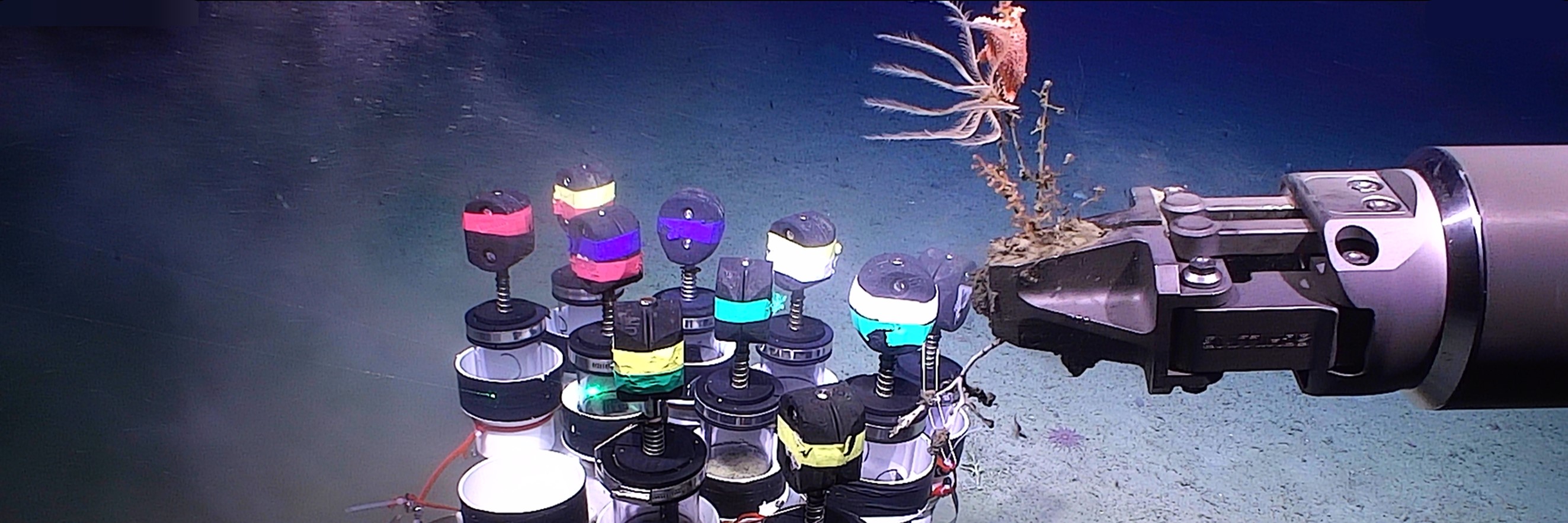
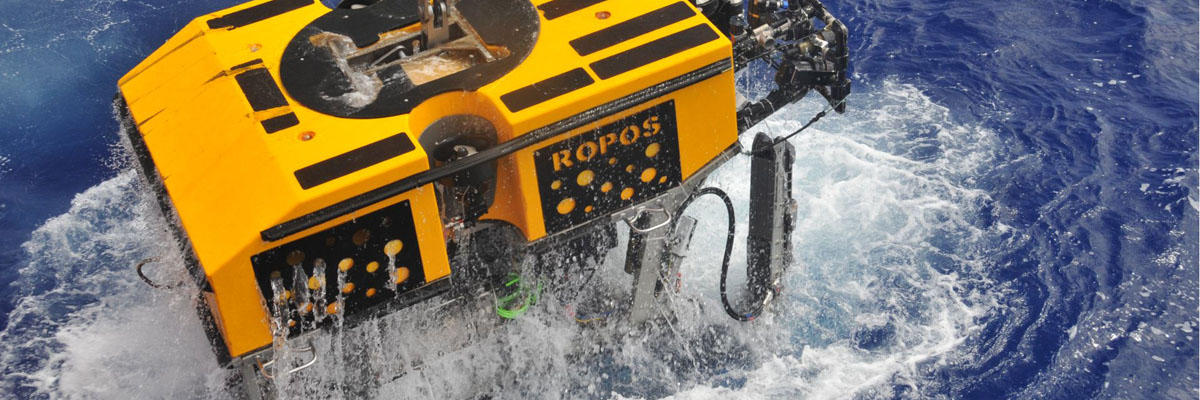
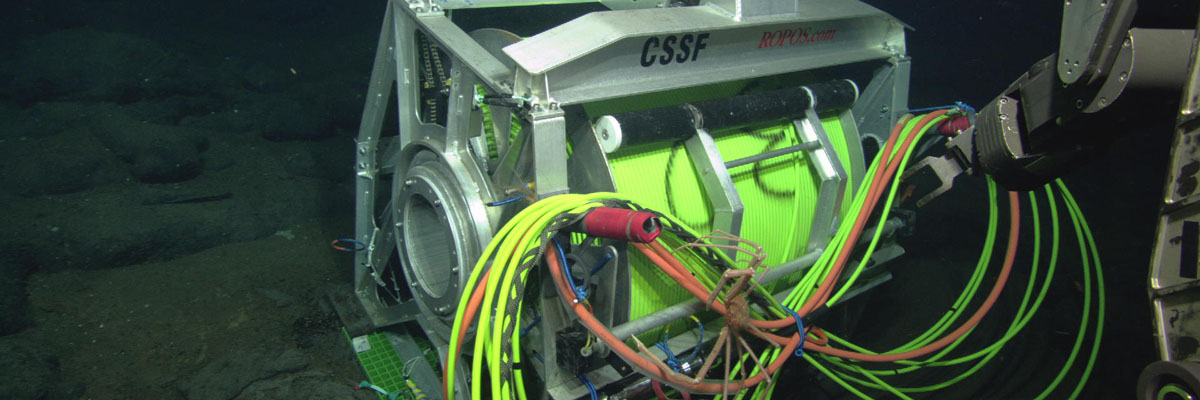
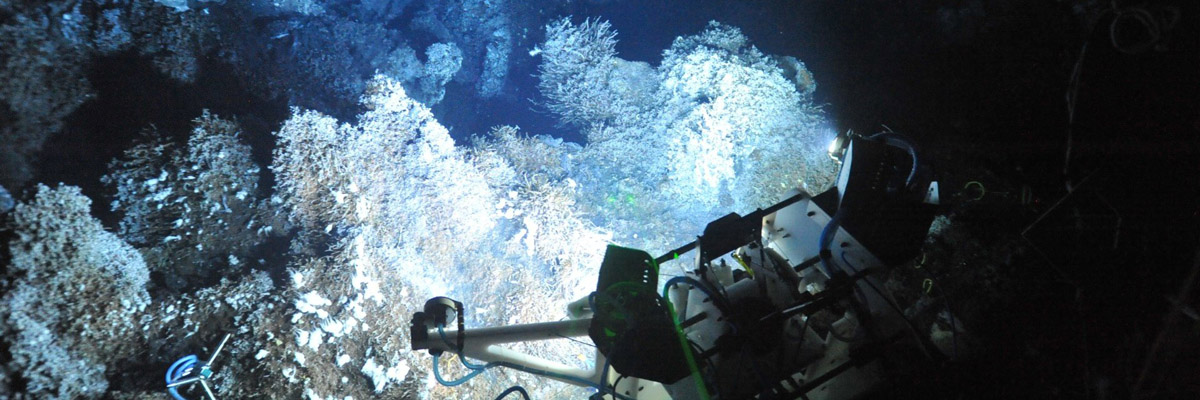
With 7 expeditions, 114 days offshore and 106 dives, 2010 was a busy year for the ROPOS crew. The work this year was evenly split between ocean exploration and monitoring, and the deployment and maintenance of ocean observatories. Both types of work present their own sets of challenges and there’s nothing much more fun to the ROPOS crew than to solve these challenges. Click on "Read more..." below to find out more about each of our 2010 expeditions.
What’s next for ROPOS in 2011?
2011 looks like a busy year with just over 4 months of dive days planned in 6 separate expeditions. Amongst our returning clients such as VENUS and NEPTUNE Canada will be the University of Washington with the Visions' 11 Cruise. This expedition is in preparation for the deployment of the NE Pacific ocean observatory that is the cabled component within the NSF Ocean Observatories Initiative (OOI). This OOI network, which is being designed and constructed by the University of Washington, is similar to NEPTUNE Canada and our experience in cabled ocean observatories should prove very useful. More information may be found on the the UW and OOI websites.


Canada’s national facility for deep-sea research, the remotely operated vehicle (ROV) ROPOS, has made it possible for ocean scientists to conduct research on the ecology of hydrothermal vents, sponge reefs and cold-water corals, and the geochemistry and economic potential of sulphide mineral and gas hydrate deposits, and to begin pioneering work on cabled deep-sea observatories. The Canadian Scientific Submersible Facility (CSSF) and university partners have operated ROPOS since 1996.
The Canadian Scientific Submersible Facility is a nationally registered not-for-profit corporation. Established to manage and operate the ROPOS system once the Department of Fisheries and Oceans could no longer fund underwater research vehicles, the CSSF successfully transferred the ROPOS operation from government to the private sector.